


0002. 两数相加【中等】
1. 📝 题目描述
给你两个非空的链表,表示两个非负的整数。它们每位数字都是按照逆序的方式存储的,并且每个节点只能存储一位数字。
请你将两个数相加,并以相同形式返回一个表示和的链表。
你可以假设除了数字 0 之外,这两个数都不会以 0 开头。
示例 1:

txt
输入:l1 = [2,4,3], l2 = [5,6,4]
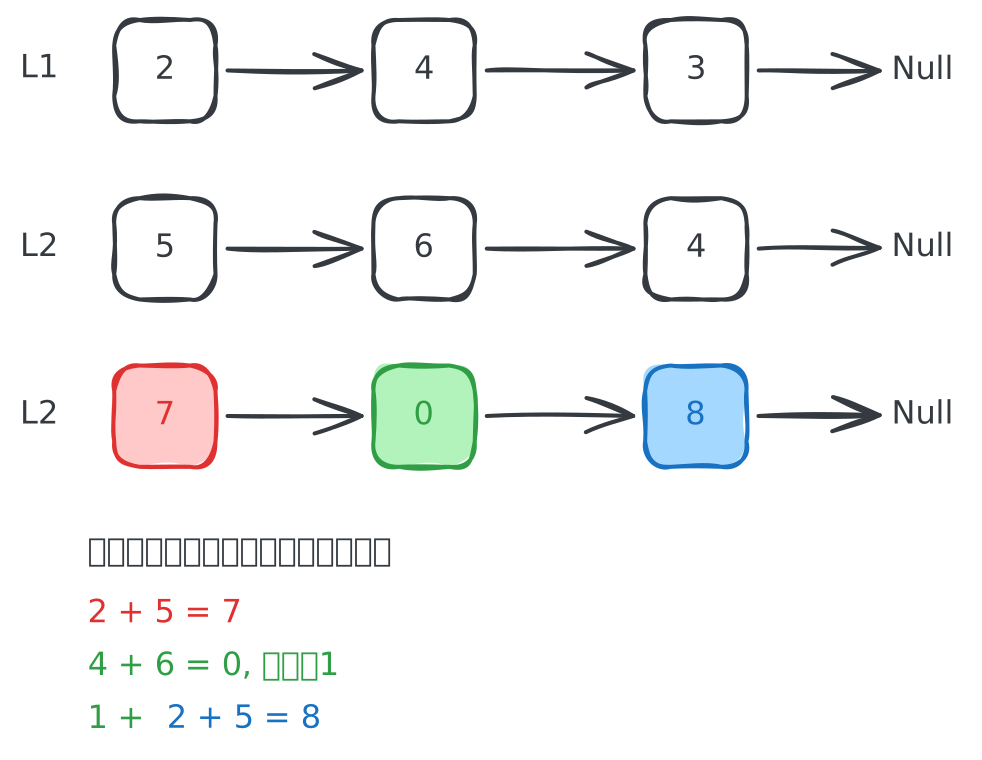
输出:[7,0,8]解释:342 + 465 = 807
示例 2:
txt
输入:l1 = [0], l2 = [0]
输出:[0]示例 3:
txt
输入:l1 = [9,9,9,9,9,9,9], l2 = [9,9,9,9]
输出:[8,9,9,9,0,0,0,1]提示:
- 每个链表中的节点数在范围
[1, 100]内 0 <= Node.val <= 9- 题目数据保证列表表示的数字不含前导零
2. 🎯 s.1 - 模拟法
c
/**
 * Definition for singly-linked list.
 * struct ListNode {
 *     int val;
 *     struct ListNode *next;
 * };
 */
struct ListNode* addTwoNumbers(struct ListNode* l1, struct ListNode* l2) {
    struct ListNode* head = NULL;
    struct ListNode* tail = NULL;
    int carry = 0;

    while (l1 || l2) {
        int n1 = l1 ? l1->val : 0;
        int n2 = l2 ? l2->val : 0;
        int sum = n1 + n2 + carry;

        struct ListNode* node =
            (struct ListNode*)malloc(sizeof(struct ListNode));
        node->val = sum % 10;
        node->next = NULL;

        if (!head) {
            head = tail = node;
        } else {
            tail->next = node;
            tail = tail->next;
        }
        carry = sum / 10;

        if (l1)
            l1 = l1->next;
        if (l2)
            l2 = l2->next;
    }

    if (carry > 0) {
        struct ListNode* node =
            (struct ListNode*)malloc(sizeof(struct ListNode));
        node->val = carry;
        node->next = NULL;
        tail->next = node;
    }

    return head;
}js
/**
 * Definition for singly-linked list.
 * function ListNode(val, next) {
 *     this.val = (val===undefined ? 0 : val)
 *     this.next = (next===undefined ? null : next)
 * }
 */
/**
 * @param {ListNode} l1
 * @param {ListNode} l2
 * @return {ListNode}
 */
var addTwoNumbers = function (l1, l2) {
  let head = null // 新链表的头节点
  let tail = null // 新链表的尾节点
  let carry = 0 // 模拟逐位求和的进位

  while (l1 || l2) {
    const n1 = l1 ? l1.val : 0
    const n2 = l2 ? l2.val : 0
    const sum = n1 + n2 + carry
    if (!head) {
      head = tail = new ListNode(sum % 10)
    } else {
      tail.next = new ListNode(sum % 10)
      tail = tail.next
    }
    carry = Math.floor(sum / 10)

    // 移动指针,继续检查后续位
    if (l1) l1 = l1.next
    if (l2) l2 = l2.next
  }

  // 最后检查是否有新的进位
  if (carry > 0) tail.next = new ListNode(carry)

  return head
}py
# Definition for singly-linked list.
# class ListNode:
#     def __init__(self, val=0, next=None):
#         self.val = val
#         self.next = next
class Solution:
    def addTwoNumbers(
        self, l1: Optional[ListNode], l2: Optional[ListNode]
    ) -> Optional[ListNode]:
        head = None
        tail = None
        carry = 0

        while l1 or l2:
            n1 = l1.val if l1 else 0
            n2 = l2.val if l2 else 0
            total = n1 + n2 + carry

            node = ListNode(total % 10)
            if not head:
                head = tail = node
            else:
                tail.next = node
                tail = tail.next
            carry = total // 10

            if l1:
                l1 = l1.next
            if l2:
                l2 = l2.next

        if carry > 0:
            tail.next = ListNode(carry)

return head- 时间复杂度:
,其中 m 和 n 分别是两个链表的长度 - 空间复杂度:
,新链表最多有 个节点
算法思路:
- 同时遍历两个链表,短链表对应位取 0,逐位计算
n1 + n2 + carry - 每轮取
sum % 10作为新节点值,sum / 10作为下一轮进位 - 遍历结束后若
carry > 0,在尾部追加进位节点